
External Influences on Industry Growth
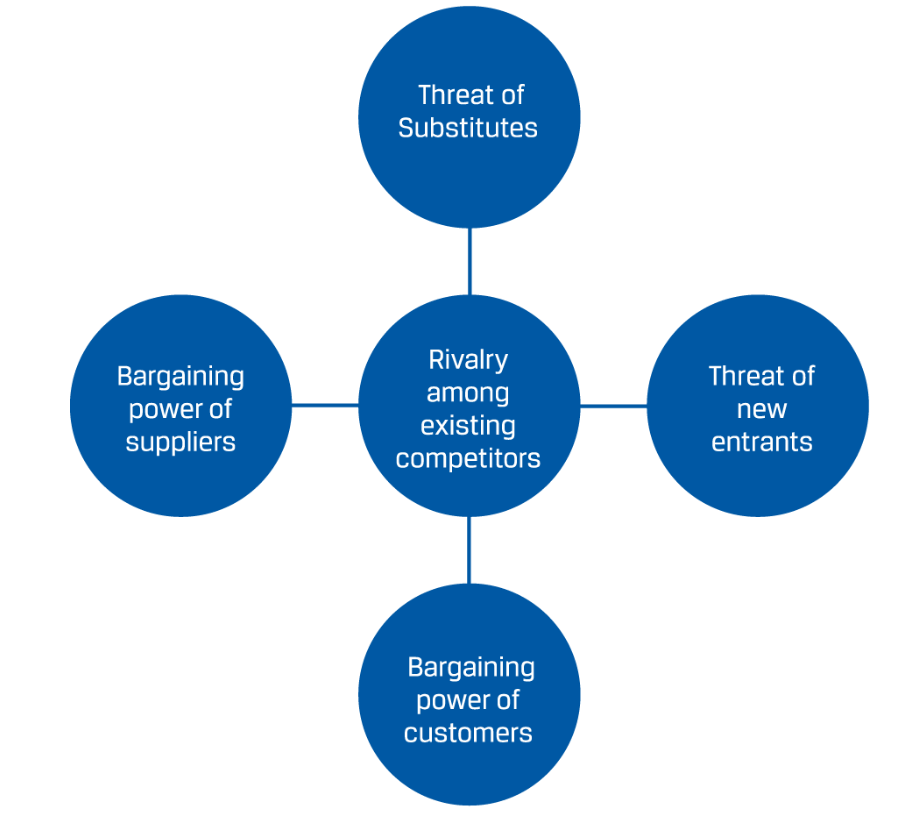
Analysing the structure of an industry primarily involves looking inside the industry and at close adjacencies such as customers, suppliers, and substitutes. It is important for analysts to look outside the industry for factors that influence the industry’s economic outcomes. One framework for this purpose is a PESTLE analysis of the political, economic, social, technological, legal, and environmental influences on an industry.
Political Influences
Political influences on an industry include changing fiscal and monetary policies, governments’ direct selling and purchasing activities, regulatory changes, and geopolitical conditions and actions. We highlight three sectors and their constituent industries for which political influences are often significant: energy, healthcare, and defense.
Economic Influences
Economic influences on an industry include changes in GDP or personal income, inflation, interest rates, and exchange rates.
Social Influences
Social influences include cultural and consumer trends, demographic changes such as the relative growth rates among different population cohorts, and changes in lifestyles.
Technological Influences
Technological changes can create new or improved products or render existing products obsolete, radically changing industries and companies.
Legal Influences
Legal influences on an industry include changes in laws and regulations from courts and policymakers that alter an industry’s business practices or economic outcomes.
Environmental Influences
Environmental influences are often closely associated with legal influences and include risks and opportunities related to the transition to a lower-carbon economy, laws and practices concerning waste and land use, and environmental protections.